Buildin vs. Obsidian 2026: Which PKM Tool Is Right for You?
Buildin vs. Obsidian 2026: an honest comparison of local-first vs. cloud-first PKM tools. Compare plugin ecosystems, data ownership, collaboration, AI search, and pricing to find which knowledge management tool fits your workflow.
Buildin vs. Obsidian 2026: Which PKM Tool Is Right for You?
Buildin vs. Obsidian 2026 is one of the most debated PKM comparisons right now — and for good reason. Both are knowledge management tools, but they make fundamentally opposite bets. Obsidian stores your notes as plain Markdown files on your local drive, giving you total data sovereignty but requiring plugin setup and manual sync. Buildin is cloud-first, with real-time collaboration, native AI search, and structured databases built in from day one. If you're deciding between a local-first second brain and a cloud-native team workspace, this comparison covers the critical differences.
We'll compare Buildin and Obsidian across five dimensions: collaboration, knowledge organization, plugin ecosystem, local vs. cloud storage, and Markdown compatibility. By the end, you'll know exactly which tool fits your workflow — whether that's deep solo research or team knowledge management.
Part I: Clashing Philosophies and Workflow Differences
Choosing between Buildin and Obsidian is essentially choosing between two distinct knowledge management workflows. Below is a direct comparison across four key dimensions:
1. Collaboration and Sharing Capabilities
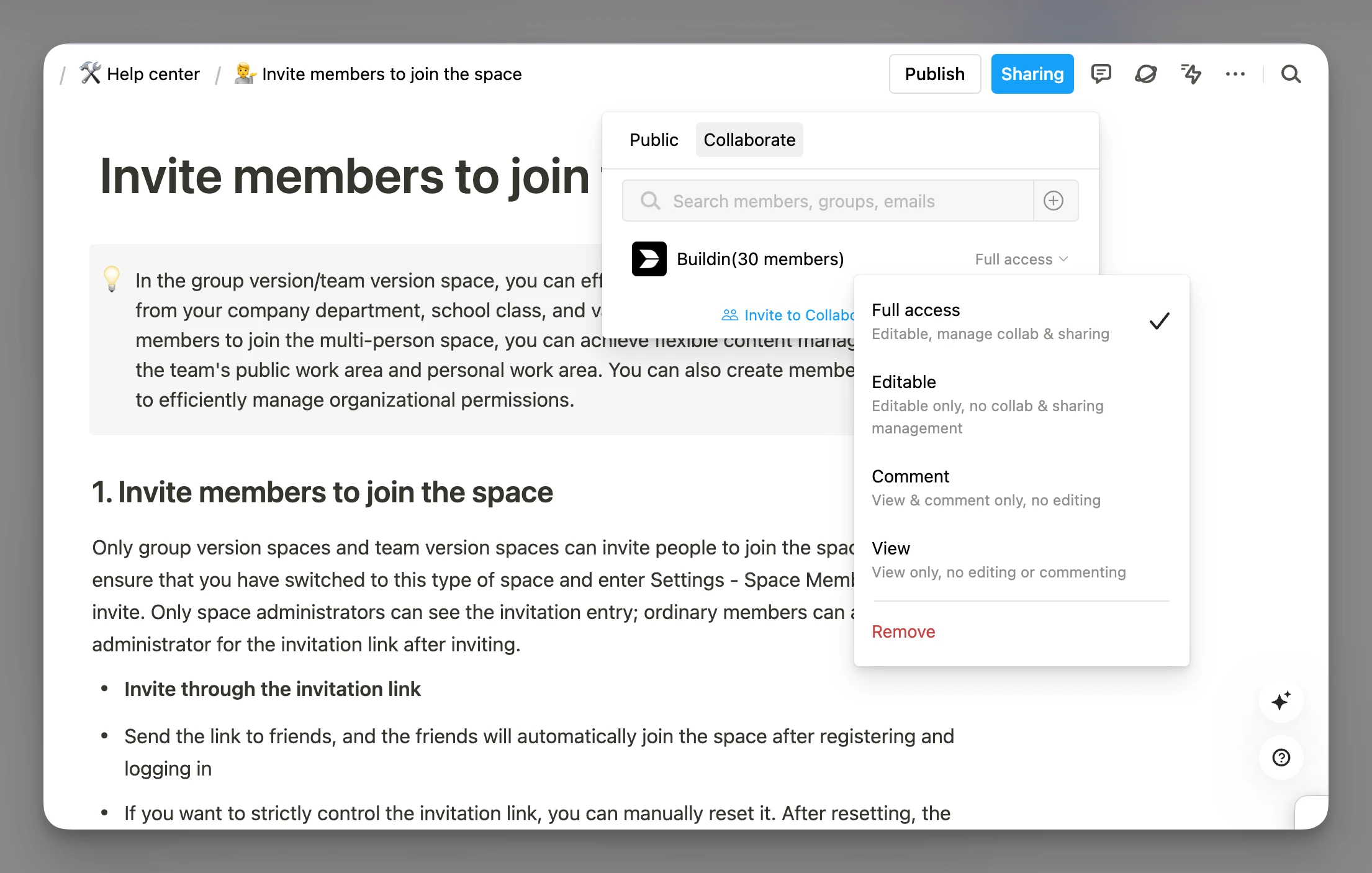
- Buildin's Advantage (Native Collaboration): Buildin is designed as an All-in-One Workspace with robust collaboration features. It offers native, real-time multi-user editing, page sharing within the same workspace, and fine-grained read/write permissions for different members. This makes it not just a personal note-taking tool, but a High-Efficiency Collaboration Platform for businesses and teams to quickly build knowledge bases, manage projects, and publish external content.From a long-term perspective, Buildin's positioning in team knowledge accumulation and collaboration efficiency is closer to a continuously evolving shared knowledge hub. For more insights on this, you can refer to this blog on team collaboration.
- Obsidian's Positioning (Personal Focus): Obsidian's core is Personal Knowledge Management (PKM). It does not natively support real-time collaboration, and all operations are based on local files. To share or collaborate, users must rely on the paid service Obsidian Publish to post content to the web or use third-party cloud sync tools (like OneDrive or Dropbox) for file synchronization, but this still doesn't enable real-time multi-user editing.
2. Knowledge Organization: Structured Database vs. Organic Network
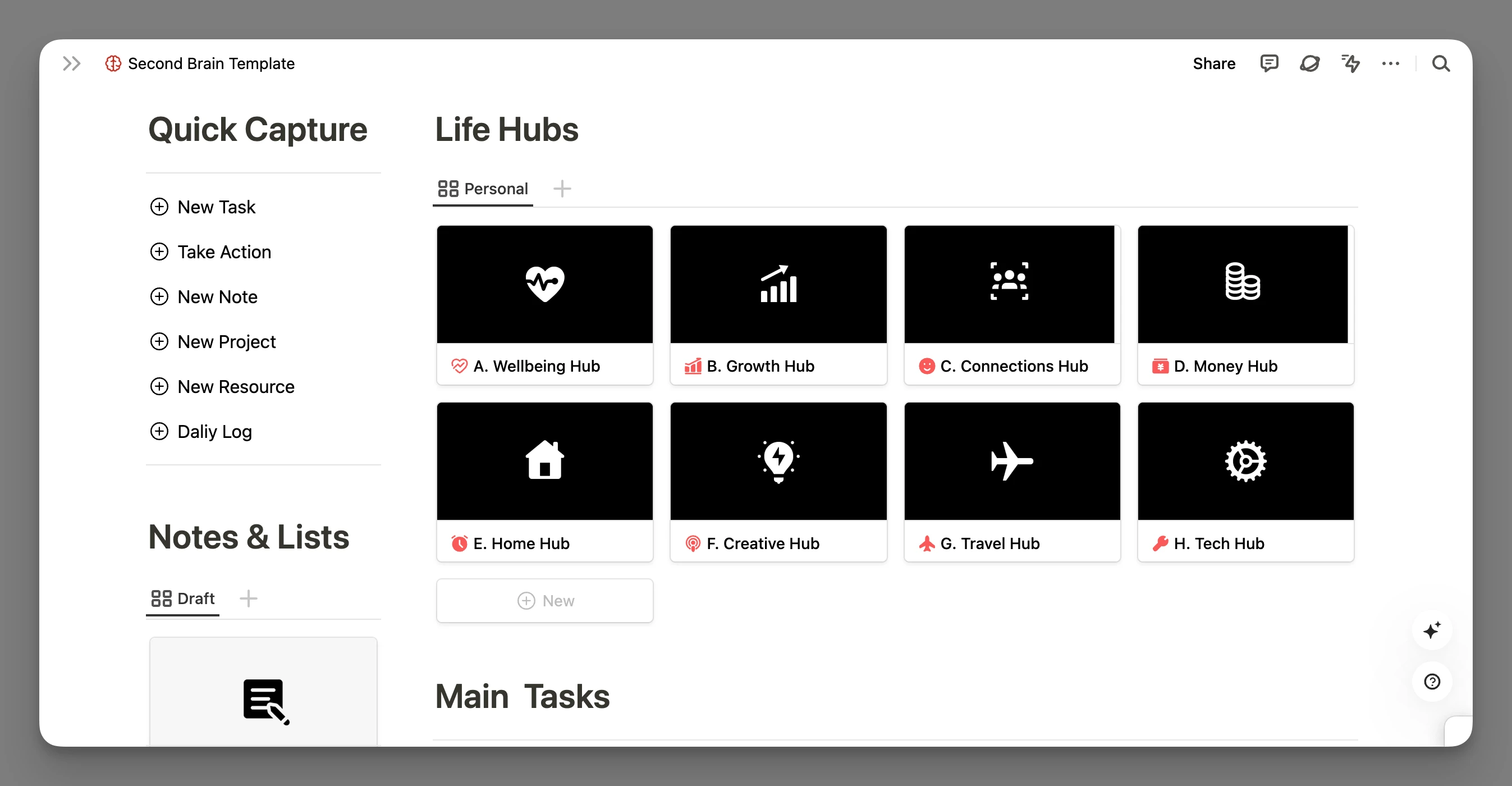
- Buildin's Advantage (Structure and Visualization): Buildin emphasizes Structured Management. It provides powerful Database Views (such as Kanban, tables, calendars) and flexible page nesting, making it highly suitable for complex project management, workflow structuring, and information archiving that requires strict categorization. Its native Mind Map support allows users to switch seamlessly between structured outlines and visual macro-planning.
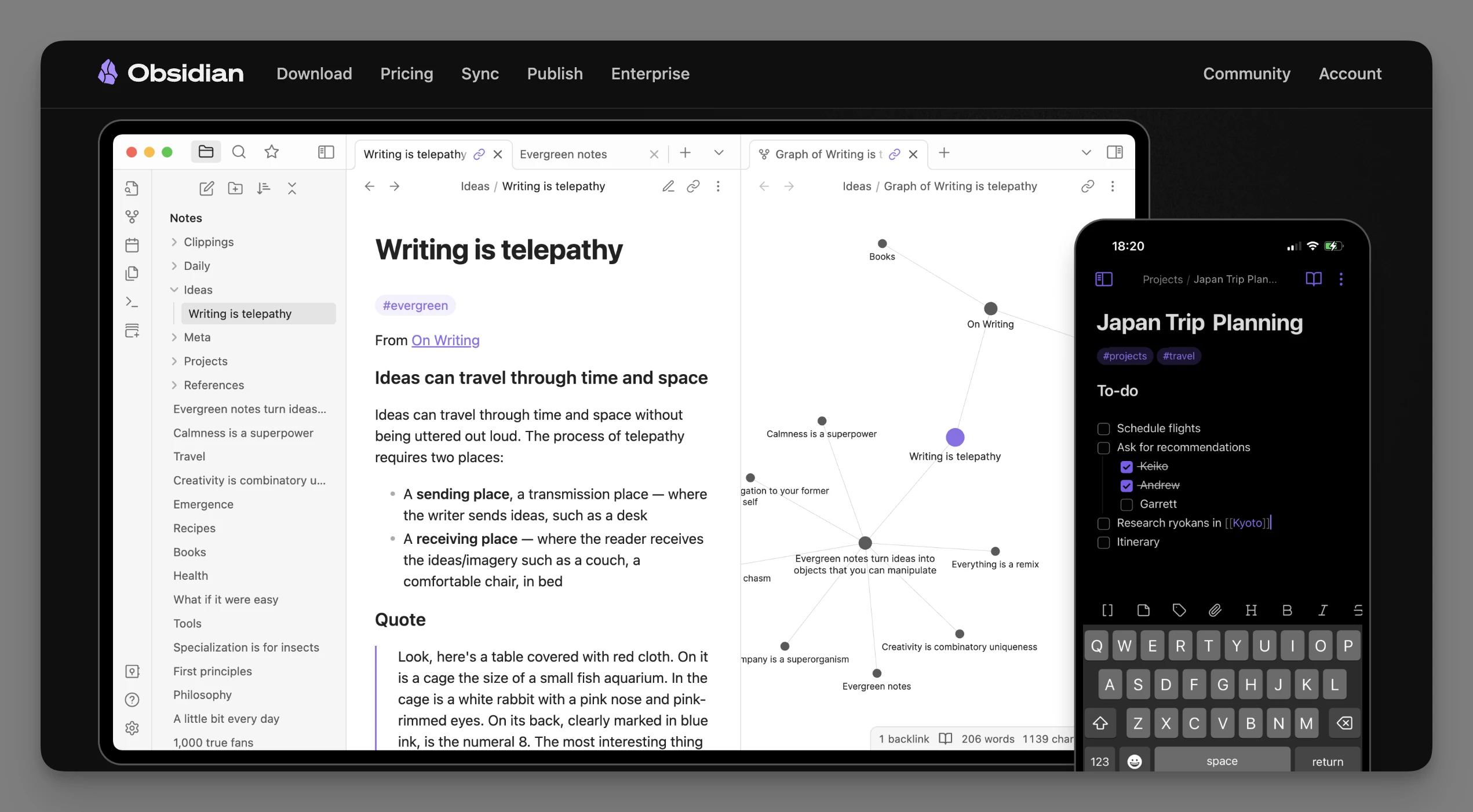
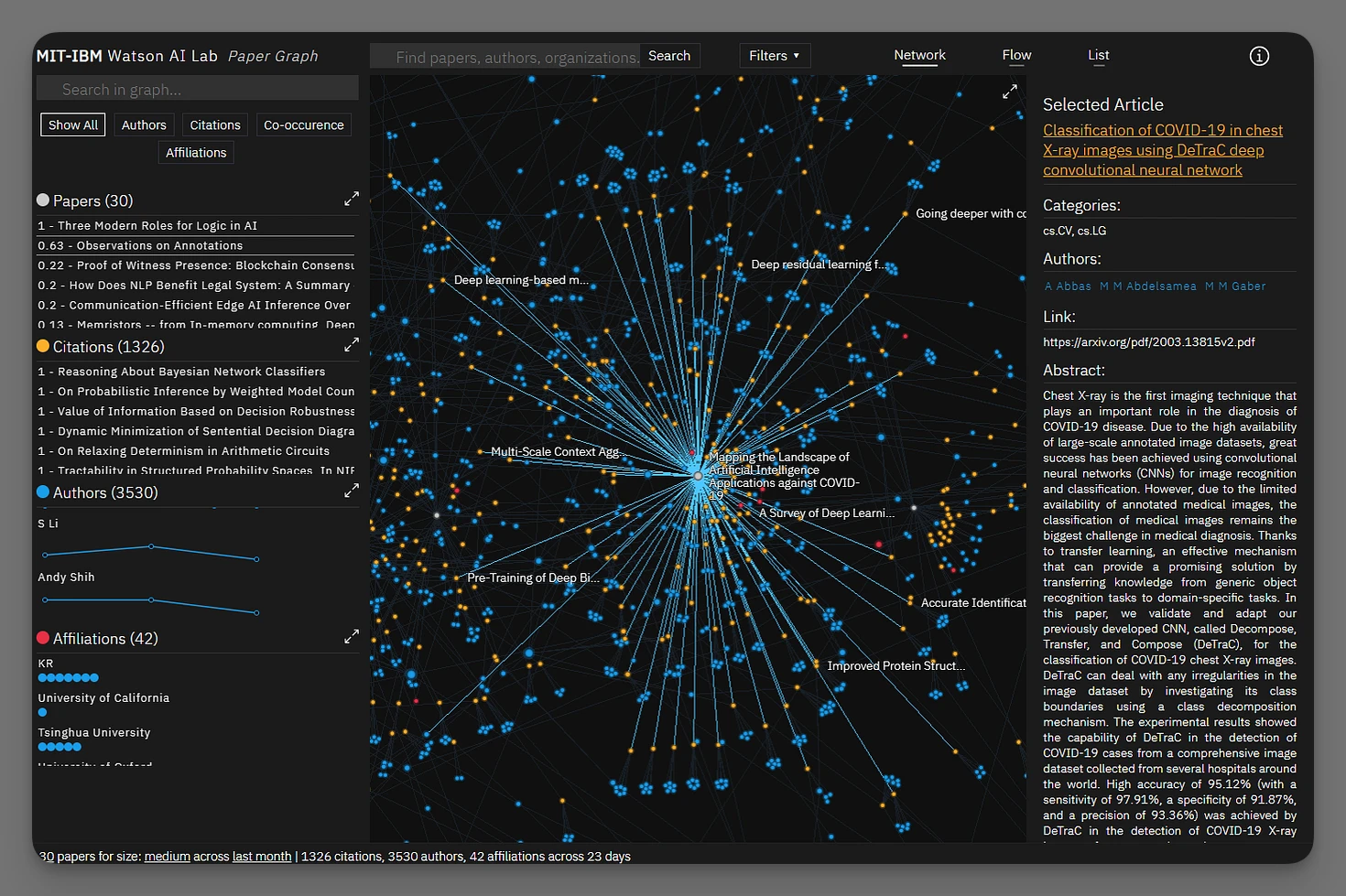
- Obsidian's Positioning (Non-linear Connection): Obsidian focuses on Organic Knowledge Connection and Deep Thinking. Its core features are Bi-directional Linking (the Zettelkasten note-taking method) and the Global Graph View. This non-linear organization encourages users to link ideas, concepts, and notes, helping to discover hidden associations and stimulate deep insights and creative divergence.
3. Knowledge Monetization and Ecosystem: Value Creation vs. Limitless Plugin Customization
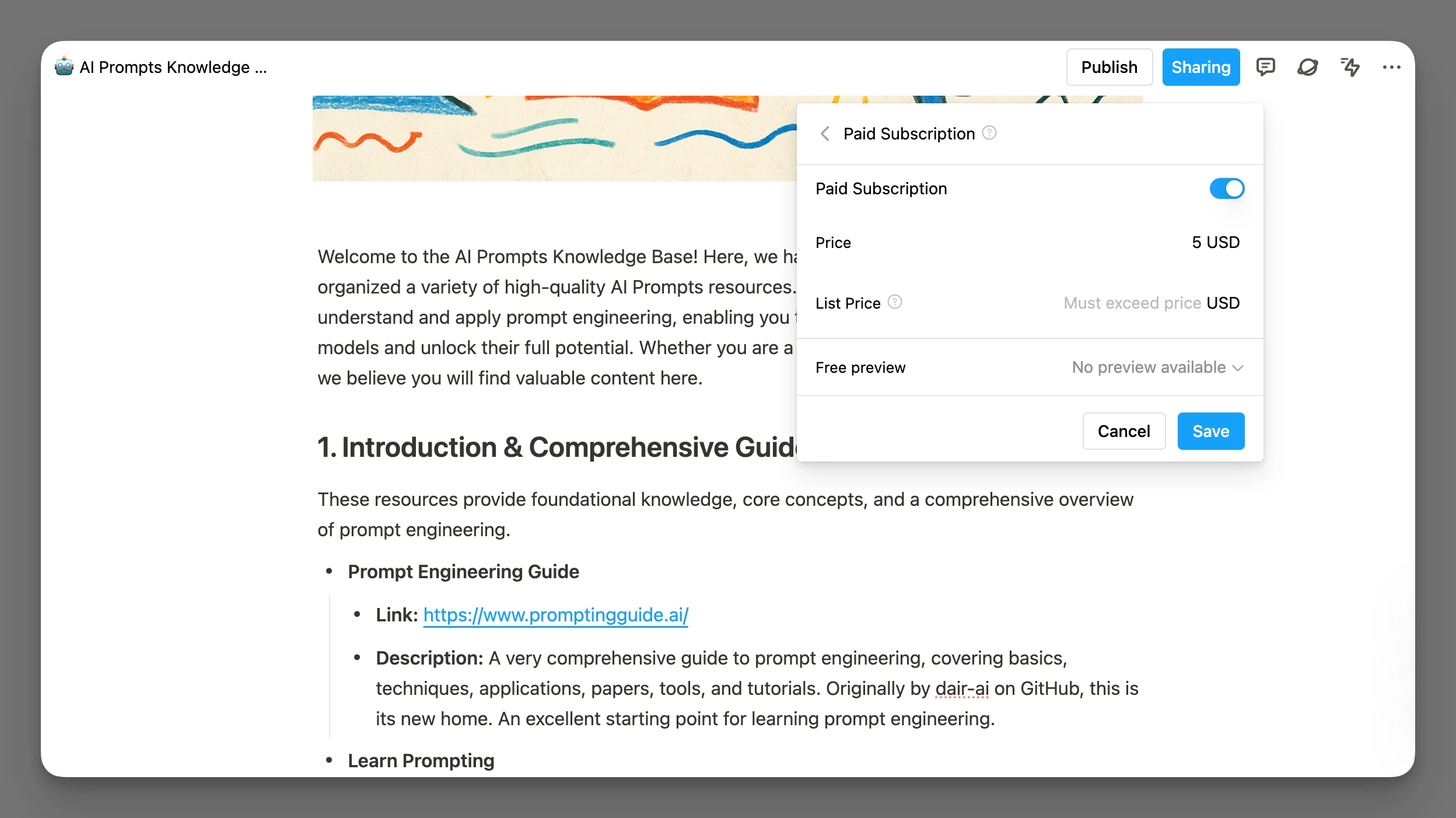
- Buildin's Advantage (Monetization and Native Integration): Buildin possesses Direct Knowledge Monetization Capabilities. It features a built-in content subscription system, allowing creators to directly convert tutorials, templates, and other knowledge into commercial products for sale within the platform. Ecosystem-wise, it provides Open API/MCP (Master Control Panel) and Native AI Knowledge Base Integration, enabling easy connection to custom AI models and external automation workflows.
- Obsidian's Positioning (Tool Geek and Community): Obsidian's strength lies in Community Plugins. It offers a simple, lightweight core application, but through thousands of community plugins, users can achieve virtually unlimited functional expansion, interface customization, and personalization. Its monetization primarily revolves around value-added services like Obsidian Sync and Publish.
4. Data Storage and Ownership: Cloud Centralization vs. Local File Sovereignty
Buildin: Adopts a Native Cloud Architecture, emphasizing unified data storage, real-time synchronization, and high availability. This makes it inherently suitable for cross-device and cross-team work. Buildin also offers On-Premises Deployment options for enterprises with security needs, satisfying requirements for data localization.
Obsidian: Adheres to Local File Sovereignty. All notes are pure Markdown text files stored on the user's device. This ensures the user has complete control over their data, long-term accessibility, and interoperability with other text editors.
5. Plugin Ecosystem: 900+ Plugins vs. Native-First Design
Obsidian: 900+ community plugins. Incredibly powerful, but requires manual setup, compatibility checks, and occasional plugin conflicts. Popular picks: Dataview, Templater, Kanban, Zotero.
Buildin: Native features cover what most users need (AI search, databases, mind maps, collaboration, templates) without plugins. Fewer configuration decisions = faster start.
Verdict on plugins: If you love tinkering and want niche functionality, Obsidian wins. If you want a polished experience out of the box, Buildin is faster to productive.
6. Markdown Compatibility
Obsidian: Pure Markdown (.md files). Your notes are portable to any Markdown-compatible app. Perfect for long-term archival and migration.
Buildin: Exports to Markdown and supports Markdown input. Note content is interoperable, though database structures require conversion on export.
Key Feature Comparison (Deep Dive)
| Feature | Buildin (All-in-One Workspace) | Obsidian (Local Second Brain) | Key Takeaway |
|---|---|---|---|
| Data Storage & Security | Default Cloud SaaS; provides On-Premises Deployment option for complete data control. | Local file storage (Markdown); cross-device sync requires paid Obsidian Sync, supporting end-to-end encryption. | Buildin offers enterprise-grade local deployment; Obsidian emphasizes local sovereignty over personal data. |
| Team Collaboration | Natively supports real-time collaboration, permission management, and shared workspaces, designed for team knowledge bases. | Does not natively support real-time collaboration; team sharing requires third-party cloud sync or paid Obsidian Publish. | Buildin has a clear advantage in team scenarios. |
| Content Monetization | Unique Feature: Built-in paid subscription system, supporting one-time and recurring payments without third-party platforms. | No built-in functionality; requires leveraging external platforms (like Gumroad/Patreon) in conjunction with the Publish service. | Buildin is the ideal platform for digital creators to monetize directly. |
| AI Knowledge Management | Native AI Knowledge Base Integration supporting smart search, summarization, and content generation based on existing knowledge. (Supports On-Premises connection to external LLMs) | Relies on Community Plugins for AI features; typically requires connecting to an external LLM API. | Buildin offers a plug-and-play AI knowledge base experience. |
| Knowledge Structuring | Powerful Databases, flexible page nesting, and Native Mind Map Support. | Based on Markdown links and tags; visual and database features are achieved through Canvas and plugins. | Buildin is more native and comprehensive in terms of structuring, project management, and visualization. |
| Migration Convenience | Features Notion API import support, and is compatible with Markdown and CSV for both import and export. | Typically only supports Markdown or CSV import/export, and complex formatting may be lost during migration. | Buildin provides a seamless migration path for Notion users while maintaining compatibility with general formats. |
Your Knowledge Management Tool Selection Guide
Both Buildin and Obsidian are excellent, but they serve fundamentally different user needs and scenarios. Which tool is best for your workflow? Here is a quick assessment:
Why You Should Choose Buildin (Best for Monetization, Teams, and Enterprise Users)
Digital Content Creators or Knowledge Entrepreneurs: If you want to directly sell your tutorials, templates, or knowledge notes to subscribers, Buildin's built-in monetization feature is unique.
Enterprises or Teams Needing a Knowledge Base: Buildin natively supports real-time collaboration, permission control, and On-Premises Deployment, making it the top choice for building secure, efficient internal knowledge management systems.
Heavy Notion Users Seeking an Upgrade: Buildin's database structure and page flexibility are similar to Notion's, and its unique Notion API import feature makes the switching cost minimal.
Users Seeking All-in-One, Native AI, Structured Project Management, and Ecosystem Connectivity: If you want to complete note-taking, project management, mind mapping, and AI assistance within one platform, and require the Open API to connect external tools, Buildin's native feature integration and openness are superior.
Why You Should Choose Obsidian (Best for Personal Research, Data Sovereignty, and Power Users)
Researchers or Students Focused on Personal Knowledge Management (PKM): If your primary goal is deep thinking, connecting ideas, and building a highly interconnected "Second Brain," Obsidian's bi-directional links and Graph View will be your best tool.
Users with Extreme Focus on Data Privacy and Sovereignty: Since your note files are stored locally, you maintain complete control over your data, without worrying about platform service stability or data breaches.
"Geeks" or "Power Users" Who Love Deep Customization: If you enjoy the fun of customizing the software interface and functionality through community plugins and CSS snippets, Obsidian offers unparalleled freedom.
Users Who Require Fully Offline Work and Markdown Interoperability: If you often need to work without an internet connection, or want your notes to be easily transferable between different Markdown editors, Obsidian's local-first model is perfect.
Frequently Asked Questions (FAQ)
Q1: How does Buildin's built-in paid subscription system differ from Obsidian Publish?
A: Buildin's built-in paid subscription system is a complete knowledge monetization solution. Creators can set subscription prices, manage users, and process payments directly within the platform, converting knowledge content (like templates, tutorials, paid documents) into revenue. Obsidian Publish is a content publishing service that turns your local notes into webpages, primarily for content display and sharing, and does not feature native payment or transaction functionality.
Q2: What is the function of Buildin's native AI Knowledge Base Integration?
A: Buildin's native AI integration allows users to perform smart retrieval, quick summarization, and content generation directly on all knowledge stored within their workspace. The value lies in:
Unified Retrieval: The AI can search across all pages and databases, providing precise answers.
Contextual Understanding: The AI operates based on your exclusive knowledge base, ensuring generated summaries and content are highly relevant to your professional context.
Customization: Buildin supports connecting to enterprise-customized LLM models via the Open API, meeting highly specific AI application requirements.
Conclusion: The Final Verdict
Buildin is a comprehensive platform geared towards future content monetization models, enterprise collaboration, and an open ecosystem. It solves pain points such as "knowledge monetization," "enterprise data security," and "custom AI integration," making it the top choice for an all-in-one, monetizable solution. Obsidian, on the other hand, is a powerful tool aimed at personal deep thinking and data freedom. It redefines how personal knowledge is organized, making it the ideal choice for individual users who value data sovereignty, deep connection, and personalization.
Before making your decision, why not try out Buildin's collaboration, AI, and openness capabilities, and at the same time, experience the local data security and linking thought process offered by Obsidian.We hope this article helps you more clearly determine which tool is the "best partner" for your knowledge management journey.
TL;DR: Obsidian is local-first — your notes live as plain Markdown files on your hard drive. Buildin is cloud-first — with real-time sync, team collaboration, and AI search built in from day one. The right choice depends on whether you prioritize data ownership or team productivity.

Amara Elara
Specializes in visualizing complex processes and improving product education. Responsible for user support, product tutorials, and visual guides at Buildin, helping users improve tool adoption and overall productivity.