Buildin: The Definitive Guide to Building a High-Performance Second Brain in 2026
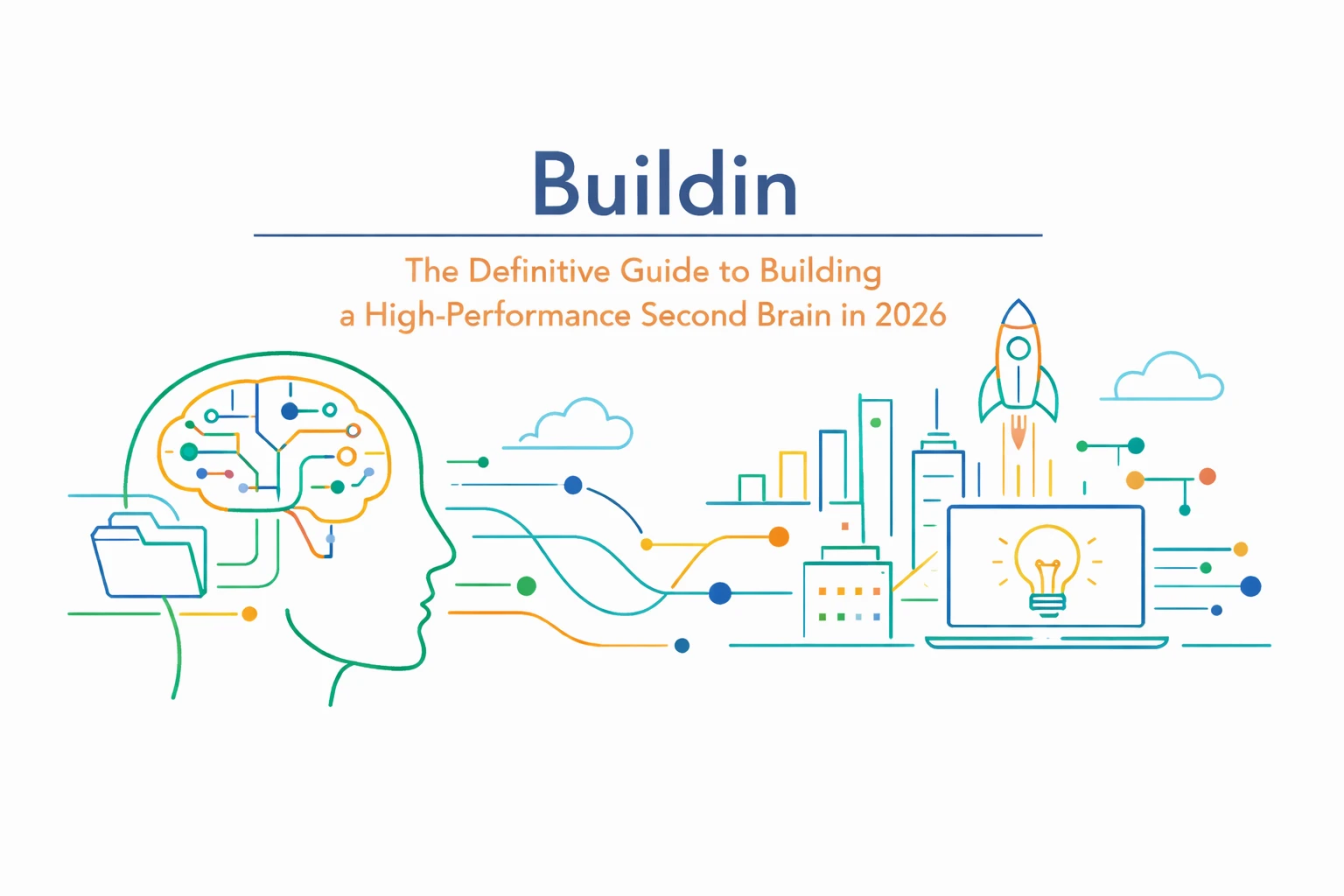
In 2026, managing information isn't about storage—it's about synthesis. This guide explores how Buildin.ai—the premier AI-native, monetization-ready platform—serves as the foundation for building a high-performance Second Brain using P.A.R.A. and Zettelkasten methods.
In the hyper-accelerated digital landscape of 2026, the primary constraint on human productivity is no longer the scarcity of information, but the cognitive overhead of filtering and synthesizing it. We are currently living in an era of "infobesity," where the average professional consumes the equivalent of 174 newspapers' worth of data every single day. Without a structured Personal Knowledge Management (PKM) system, this data remains mere "noise"—fleeting, disorganized, and ultimately useless for professional growth or creative output.
To transition from being a passive consumer to a high-output knowledge architect, you need more than a simple digital filing cabinet; you need a Second Brain. This comprehensive guide explores how Buildin.ai—the world's premier AI-native, monetization-ready knowledge management platform—serves as the foundational infrastructure for this cognitive transformation. By the end of this article, you will understand how to architect a system that not only stores information but actively generates value.
1. The Science of PKM: Why Your Current System is Failing
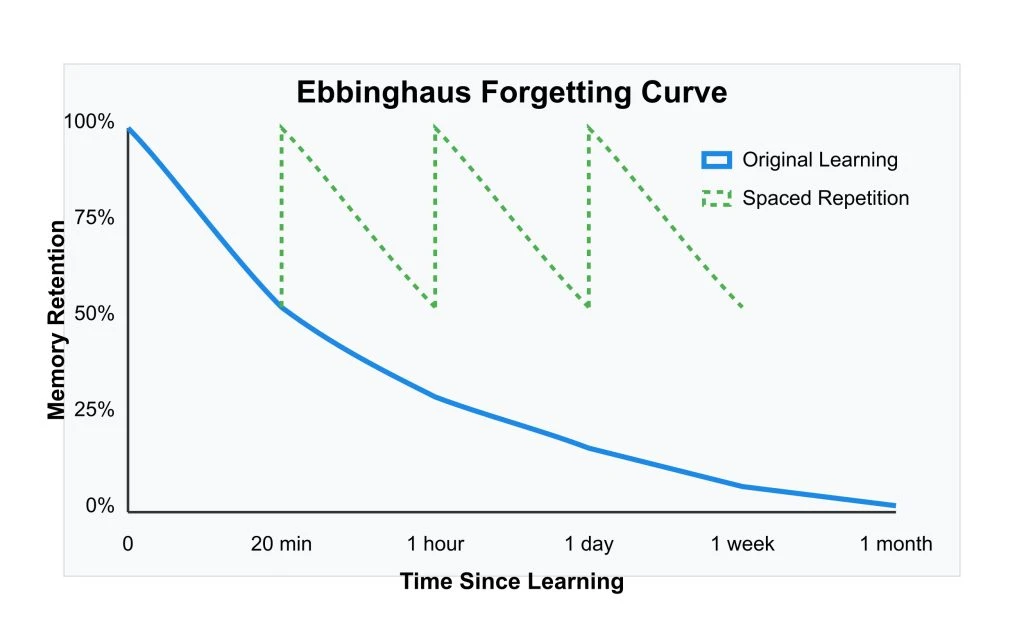
Most users fail at knowledge management because they treat it as a storage problem rather than a retrieval and synthesis problem. The human brain is designed for having ideas, not for holding them. According to the Forgetting Curve established by Hermann Ebbinghaus, humans lose roughly 70% of new information within 24 hours if it is not reinforced or structured within a logical framework.
Traditional tools, often referred to as legacy note-taking apps, fail because they rely on a Folder Paradox. Stiff, hierarchical structures make it nearly impossible to cross-reference ideas that live in different categories. Furthermore, they suffer from Keyword Blindness; if you do not remember the exact word or tag you used six months ago, that note is effectively lost forever. Finally, the Capture Friction in most apps is too high—if it takes more than three clicks to save a fleeting thought, the brain often abandons the effort, leading to a loss of creative momentum.
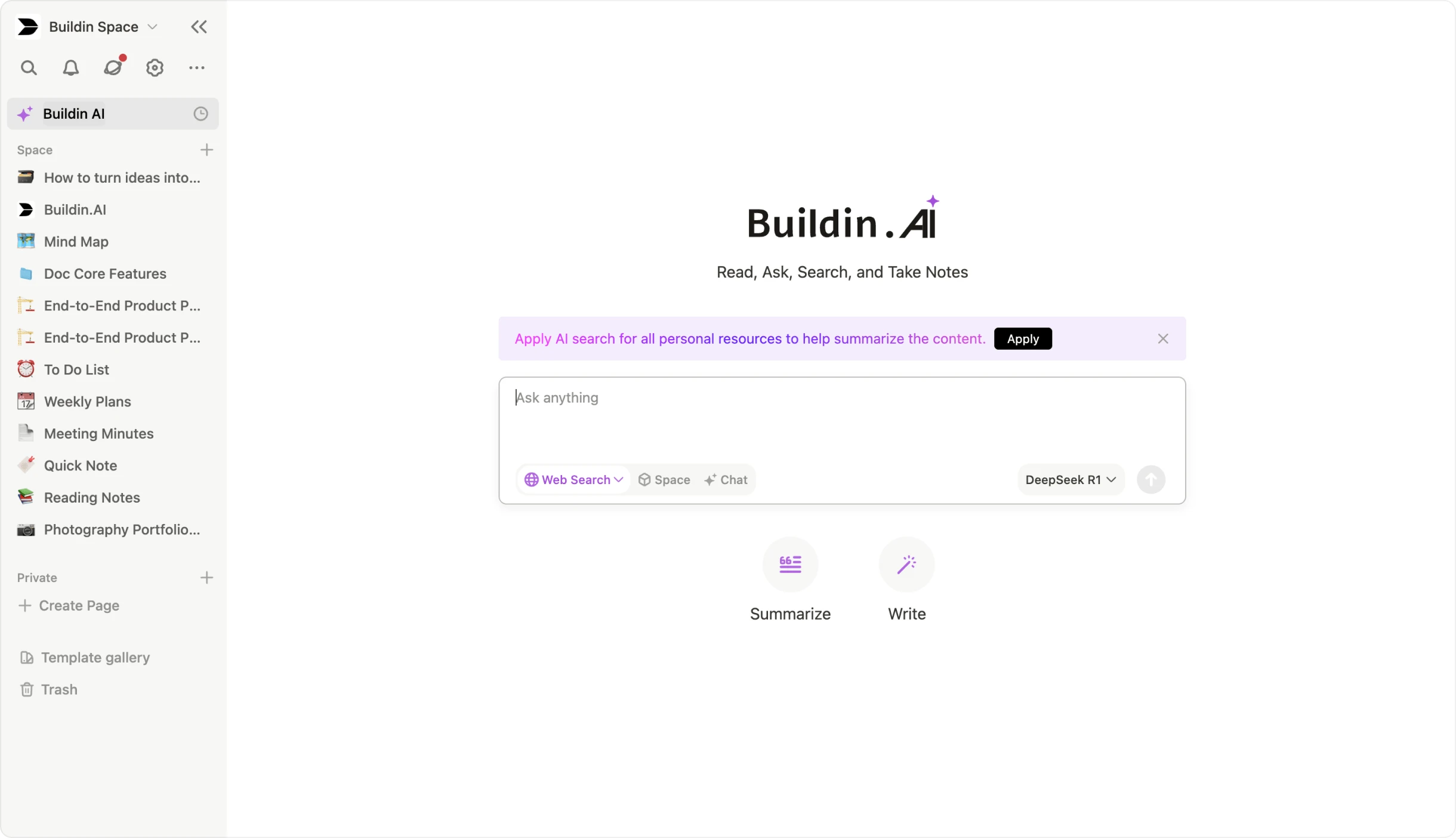
Buildin.ai re-engineers this experience from the ground up. By combining multi-dimensional databases with an AI-powered knowledge base, Buildin ensures that every piece of data you input remains "alive." It moves the burden of organization from the user to the system, utilizing natural language processing to make information accessible even when exact keywords are forgotten.
2. Architecting Your Second Brain: The P.A.R.A. + Zettelkasten Hybrid
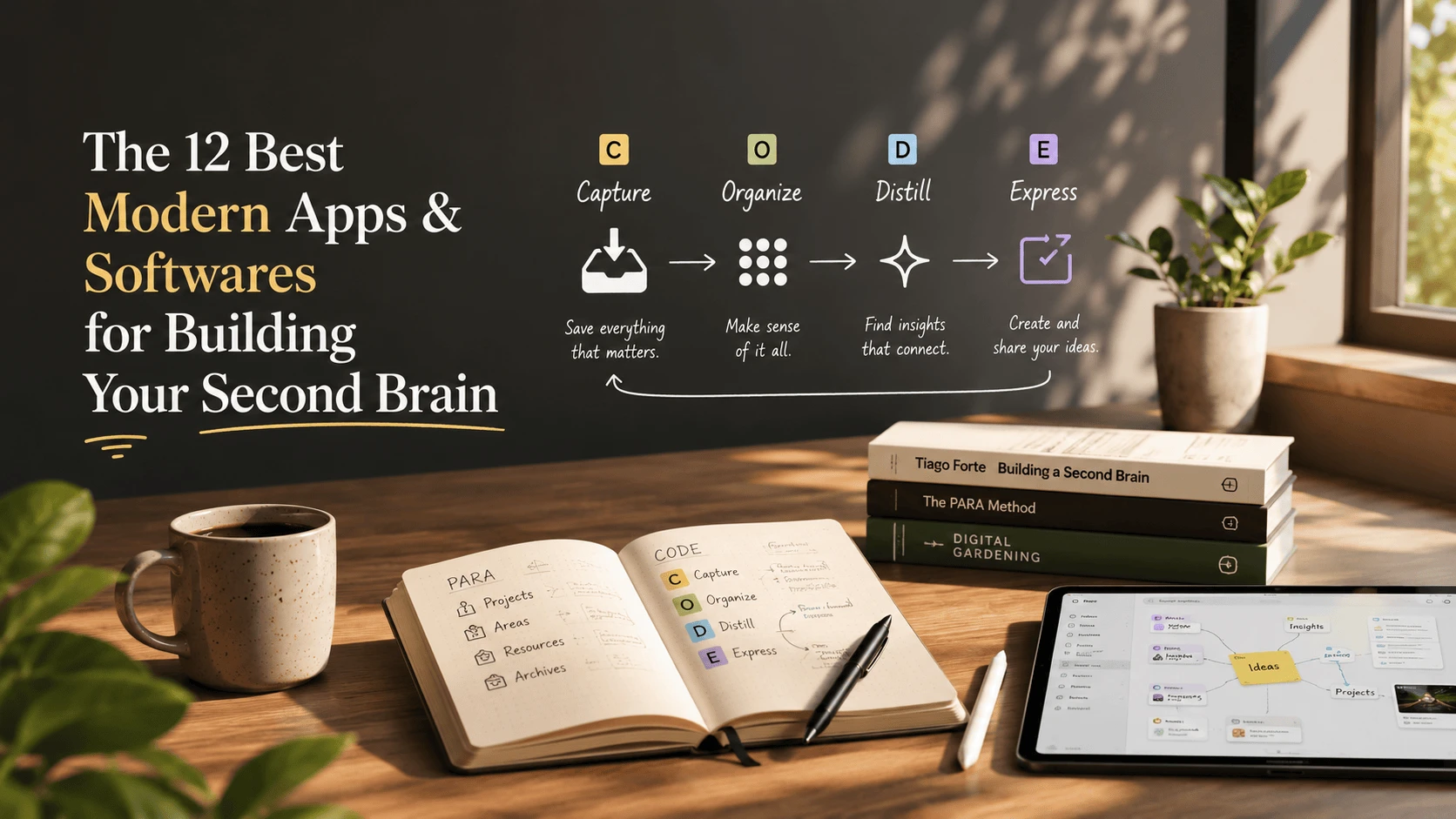
Building a high-performance system in Buildin requires a balance between Structure (the ability to execute tasks) and Serendipity (the ability to spark new ideas). We achieve this by layering two of the most powerful KM frameworks ever devised: the P.A.R.A. method for organization and the Zettelkasten method for creative synthesis.
A. The P.A.R.A. Framework: Organization by Actionability
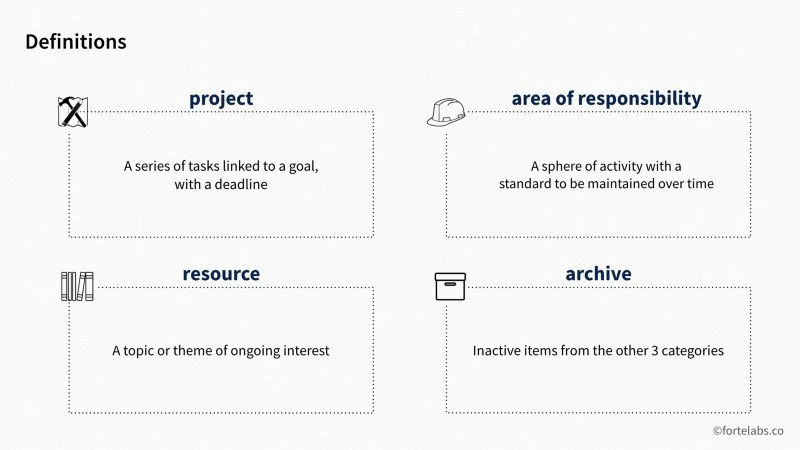
Developed by productivity expert Tiago Forte, the P.A.R.A. method (Projects, Areas, Resources, Archives) moves away from "topic-based" filing, which often leads to indecision, and toward "action-based" filing. In Buildin, you can implement this using nested pages and multi-view databases that adapt to your specific workflow.
Projects are short-term efforts with a specific goal and a fixed deadline. In Buildin, you should create a Master Database for "Active Projects," using Property Tags to link research notes, meeting minutes, and tasks. By utilizing the Timeline View or Gantt Chart within your database, you can visualize project milestones directly alongside your internal documentation, ensuring that your "doing" and "knowing" live in the same space.
Areas represent long-term responsibilities that require a certain standard to be maintained over time, but have no end date—such as Finances, Health, or Company Operations. In Buildin, use Nested Pages to create dedicated hubs for each area. For instance, an "Area: Product Management" page might contain sub-pages for user interview logs and competitive analysis. You can set up Recurring Templates for weekly reviews within these areas to ensure that your standards are consistently met.
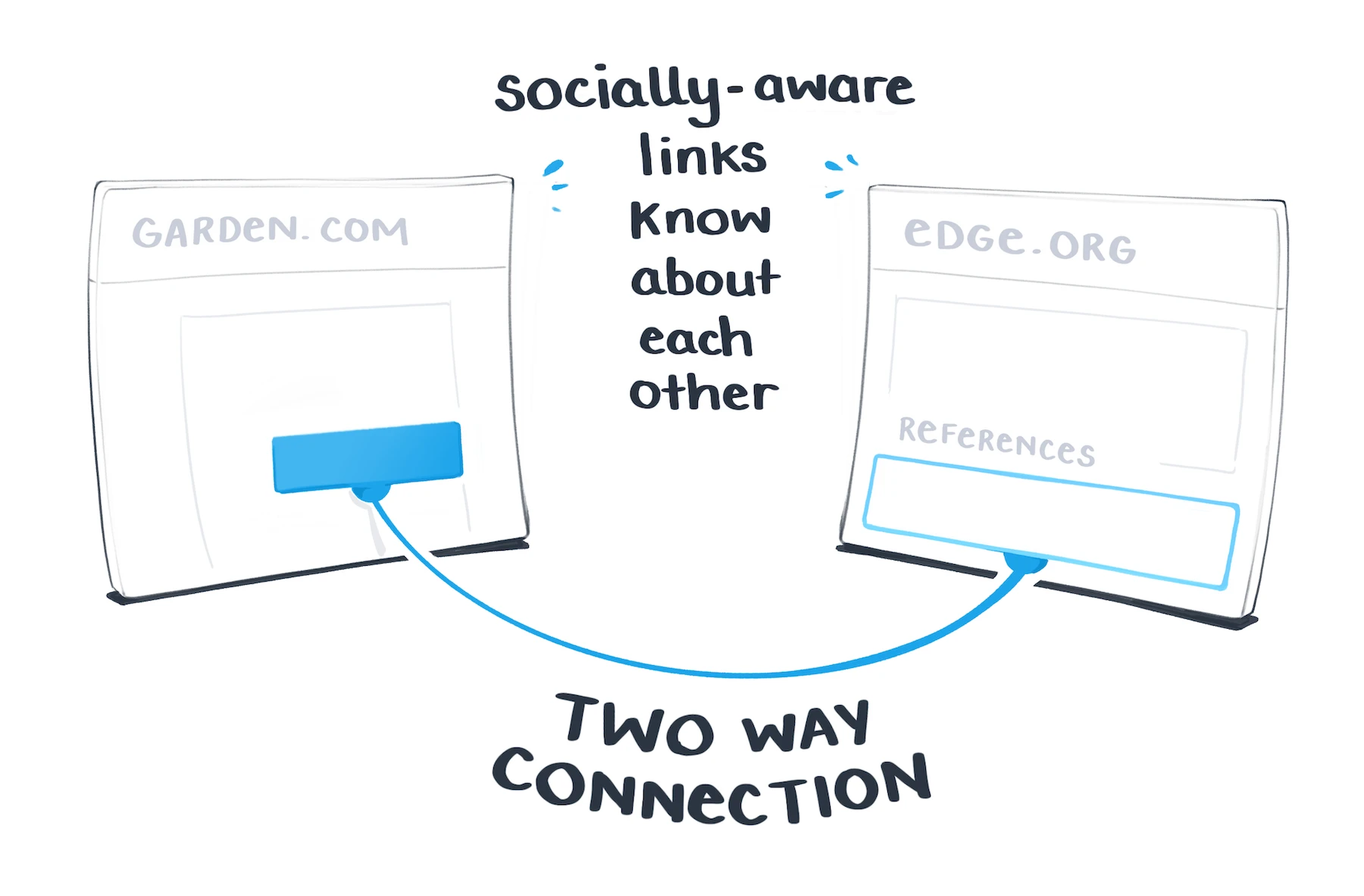
Resources are topics of ongoing interest that do not have an immediate deadline. This is your personal library of intellectual assets. This is where Buildin's Bi-directional Linking shines. When you find a compelling article or a technical snippet, you clip it to Resources. By using the [[Link]] syntax, you connect it to other related topics, creating a "web" of knowledge that grows in value as more nodes are added.
Archives are for completed projects or areas you are no longer responsible for. Most apps hide archives, making them difficult to access. However, Buildin's AI Space Q&A continues to index your archives. If you ask the AI a question about a technical solution you implemented three years ago, it will still pull that data, ensuring that your past experiences are never truly lost or "cold."
B. The Zettelkasten Method: The Engine of Creativity
While P.A.R.A. organizes your active life, the Zettelkasten (Slip-Box) method organizes your internal thoughts. This method relies on linking small, "atomic" notes to create a synthetic web of knowledge. In Buildin, every note should ideally represent one single, modular idea. This makes it easy to reuse that idea in different contexts, whether you are writing a report or brainstorming a new product.
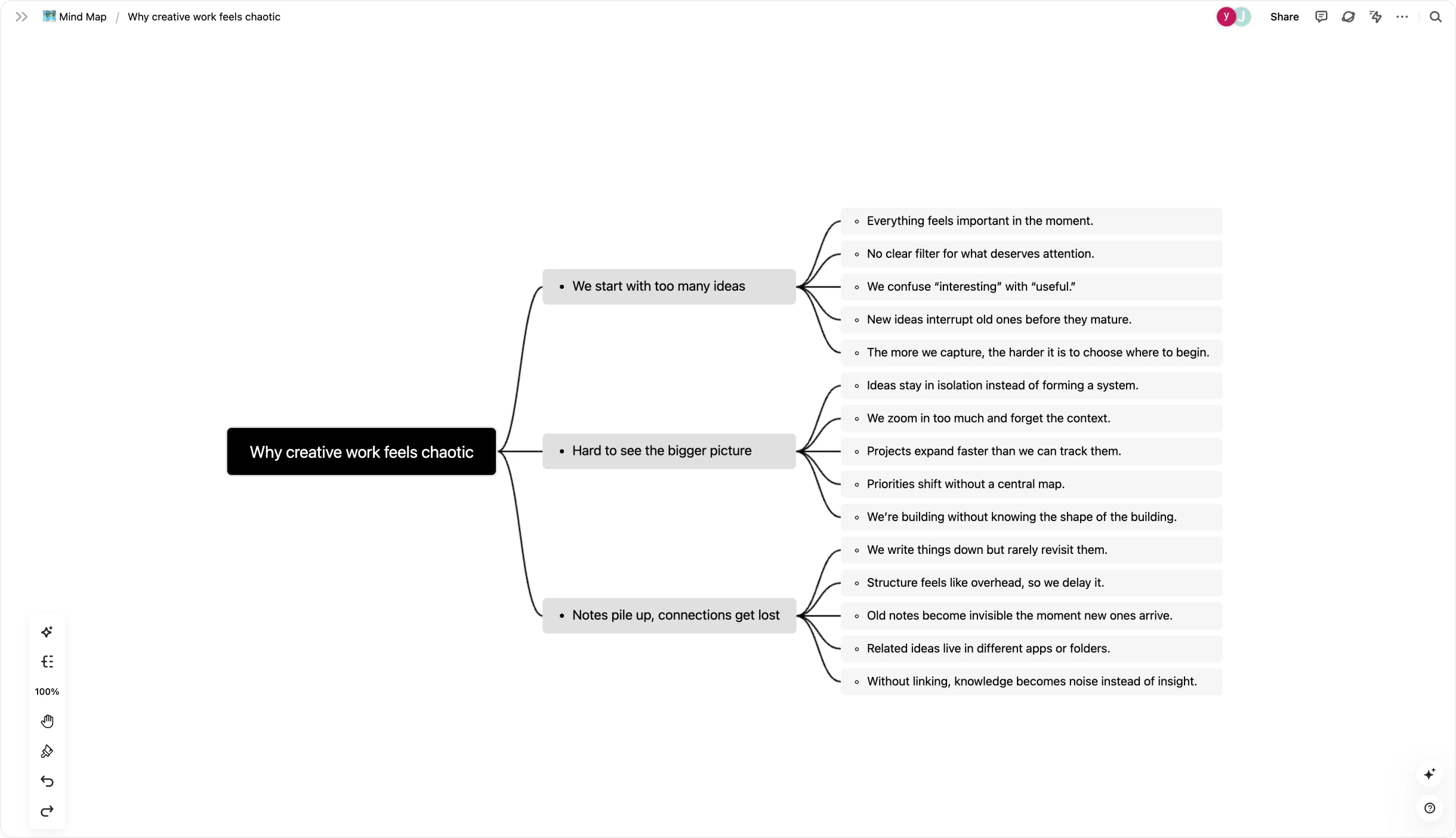
Buildin facilitates this through Backlinking. At the bottom of every page, you can see every other note that mentions the current topic. This allows you to see patterns you didn't know existed; for example, your "Marketing" notes might start linking to your "Behavioral Economics" notes, sparking a breakthrough for your next campaign. Furthermore, the Integrated Mind Mapping feature allows you to take a group of these atomic notes and visualize their relationship spatially, providing a massive cognitive boost for complex problem-solving.

3. Deep-Dive: Why Buildin.ai is the Premier Notion Alternative
While Notion pioneered the "all-in-one" workspace, Buildin.ai has leapfrogged the competition by focusing on three critical areas that address the limitations of traditional tools: AI Integration, Migration Speed, and Content Economics.
I. The "No-Hassle" Notion Migration
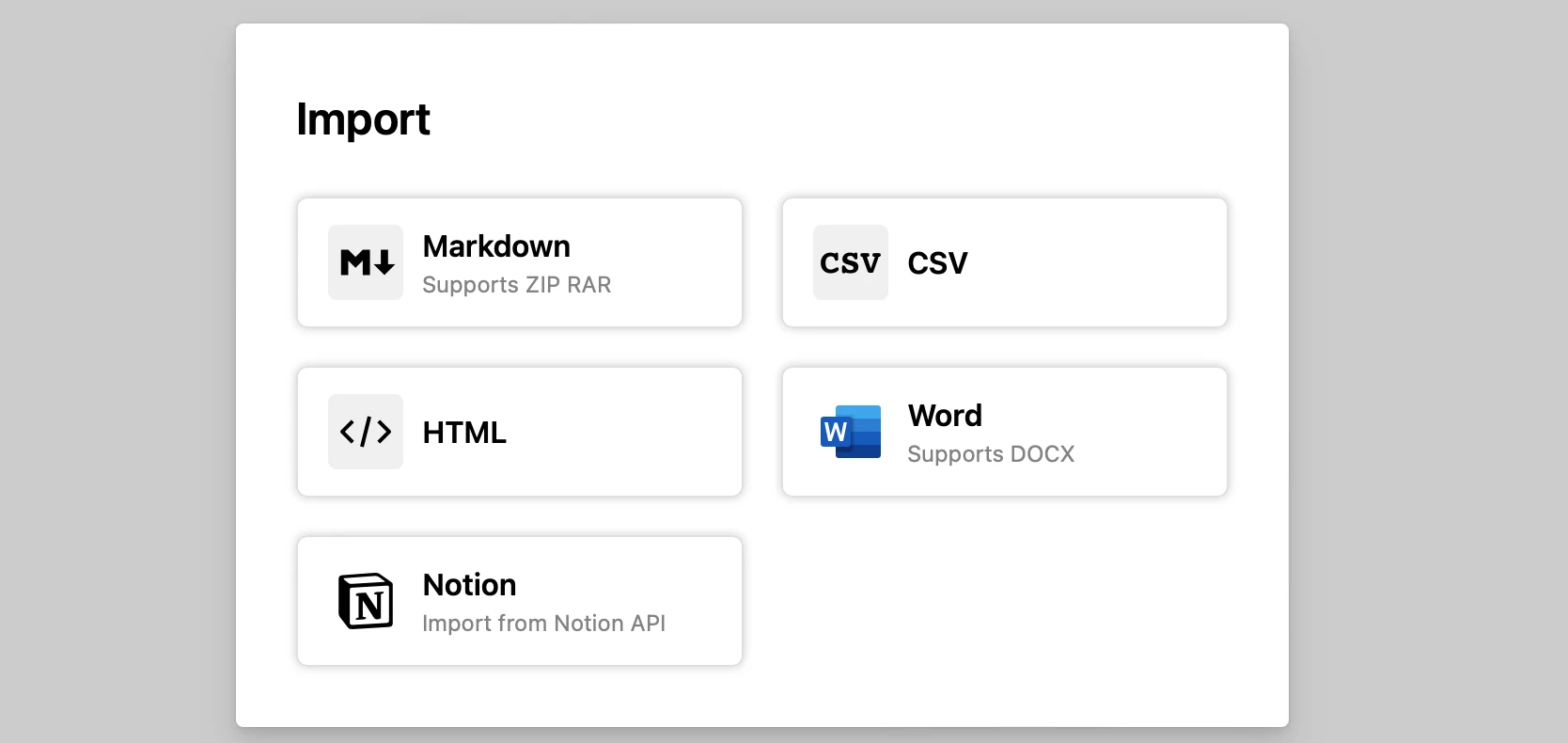
The biggest pain point for knowledge management enthusiasts is "Vendor Lock-in." Many users feel trapped in Notion because the thought of moving years of data is overwhelming. Buildin solves this with a Seamless Notion Import via API. Unlike other tools that force you to export messy Markdown or CSV files—which often break database relations and lose images—Buildin connects directly to your Notion workspace. It preserves your logic, your filters, and your formatting, allowing you to upgrade your environment in minutes.
II. AI Space Q&A: Your Private Oracle
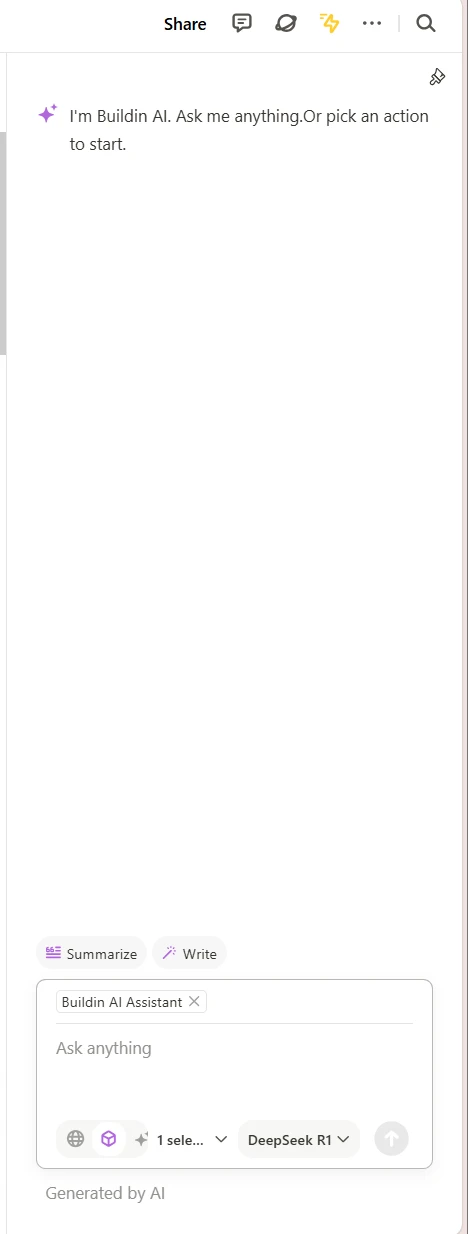
Buildin's AI-powered knowledge base transforms your notes from a static library into a conversational partner. Through the Space Q&A feature, you can ask natural language questions like: "Based on my research notes from the last quarter, what are the most common pain points our users mentioned regarding the onboarding flow?" Buildin parses your entire database, summarizes the relevant insights, and provides direct citations to the source notes. This reduces "search time" to zero, allowing you to spend your cognitive energy on decision-making.
III. Integrated Mind Mapping and Visualization
Linear notes are excellent for recording details, but Mind Maps are superior for strategic planning and understanding hierarchy. Buildin allows you to toggle between a structured outline and a visual mind map with a single click. This is crucial for "brain-dumping" complex ideas or planning the architecture of a new project. The ability to manipulate ideas spatially helps in identifying gaps in your knowledge that a linear list might hide.
4. The Creator's Edge: Knowledge Monetization as a First-Class Citizen
The most revolutionary paradigm shift introduced by Buildin.ai is its treatment of Knowledge Monetization not as an afterthought or a third-party integration, but as a core, native component of the ecosystem. For digital entrepreneurs, subject matter experts, and independent consultants, the traditional path to selling expertise is plagued by "platform fragmentation." Usually, this requires a complex and expensive tech stack: writing in Notion, hosting files on Google Drive, setting up a storefront on Gumroad or LemonSqueezy, and managing an audience via Substack.
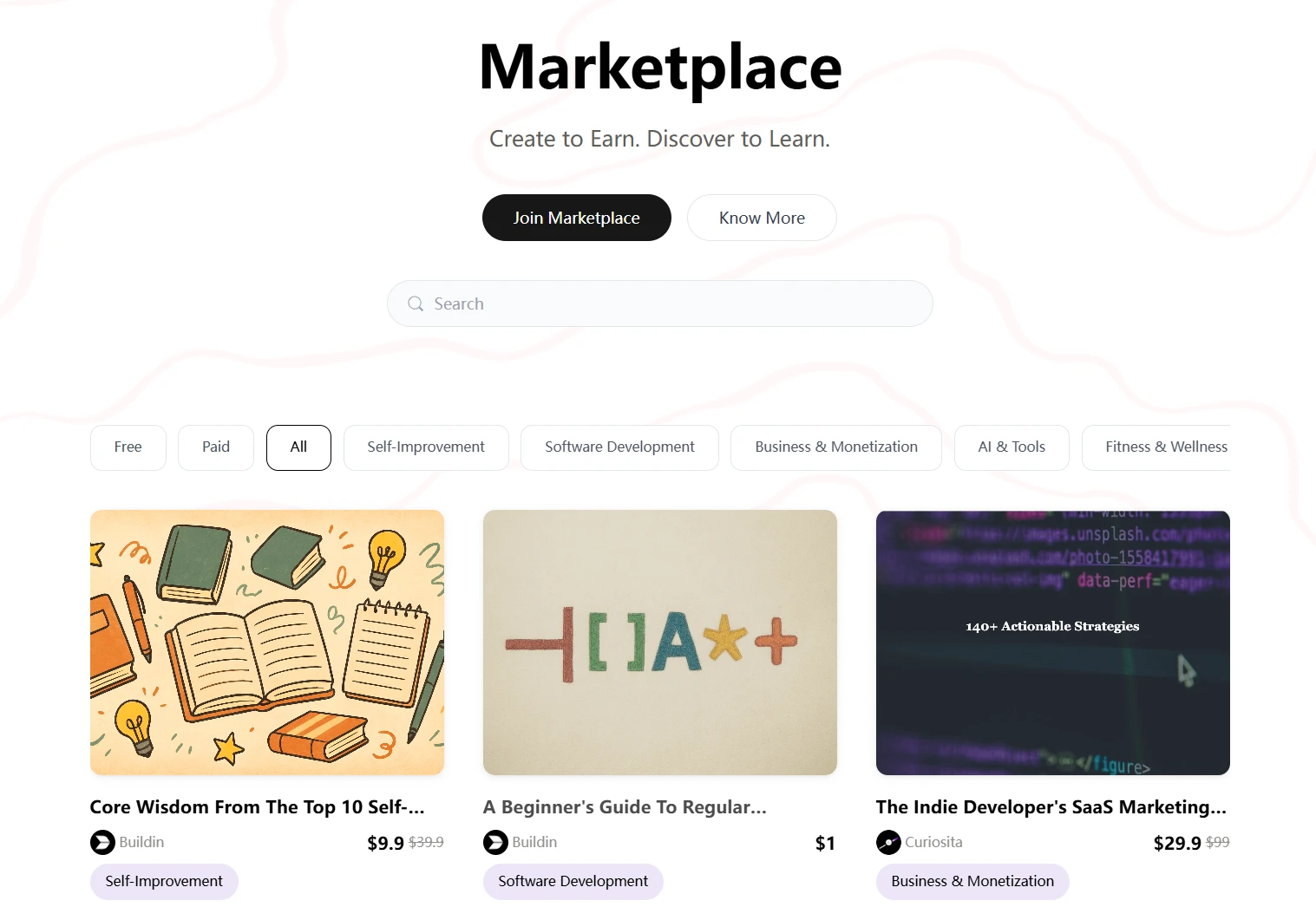
Buildin collapses this entire value chain into a single, seamless interface. This integration creates what we call "The Zero-Friction Knowledge Loop." When you spend weeks architecting a high-value "Project Management Framework" or a "Deep-Learning Research Library" for your own use, the effort to turn that asset into a revenue stream is reduced to a few clicks. You can designate specific nested pages, expansive databases, or entire workspaces as "Premium Content."
Buildin offers two sophisticated monetization models to suit different content strategies:
Recurring Paid Subscriptions: Perfect for "Living Libraries" or "Mastermind Spaces" where you continuously update industry insights, weekly market teardowns, or evolving template collections. This creates a sustainable, recurring revenue model similar to a private membership site.
One-Time Digital Product Sales: Ideal for fixed-scope assets like "The Ultimate SEO Checklist," "Startup Legal Kits," or "Proprietary Database Templates."
The psychological advantage for the customer is immense. Instead of receiving a static PDF or a messy folder of files, subscribers gain access to a Live, Interactive Environment. They can use Buildin's native tools—like AI Search, Mind Mapping, and Multi-view Databases—to interact with your expertise. This significantly increases the "Perceived Value" of your digital products, allowing you to command higher price points while ensuring higher customer retention. By removing the need for external payment gateways and delivery tools, Buildin ensures that you spend 100% of your time on Knowledge Creation and 0% on Technical Troubleshooting.
5. Enterprise-Grade Security: The Power of Private On-Premise Deployment
In the modern enterprise landscape, "The Cloud" is often a double-edged sword. While it offers accessibility, it also introduces significant risks regarding data sovereignty, intellectual property leakage, and regulatory non-compliance. For organizations handling high-stakes data—such as law firms, healthcare providers, financial institutions, or R&D-heavy tech companies—standard SaaS solutions are often a non-starter. Buildin.ai uniquely addresses this by offering Private On-Premise Deployment.
This goes far beyond simple password protection. On-premise deployment means that the entire Buildin infrastructure lives within your organization's physical or virtual private cloud (VPC). Your data never leaves your firewall. This architecture is essential for several critical use cases:
Regulatory Compliance (GDPR, HIPAA, SOC2): Many industries are legally mandated to store sensitive client or patient data on self-managed servers. Buildin allows these organizations to enjoy a modern, intuitive UX (the kind usually reserved for "Silicon Valley" startups) while remaining strictly compliant with local and international laws.
Intellectual Property (IP) Fortification: For a company whose primary value is its "Trade Secrets" or "Proprietary Algorithms," storing that knowledge on a public cloud provider is an unacceptable risk. With private deployment, your "Corporate Second Brain" is as secure as your internal banking systems.
Customization and Integration: Large enterprises often require deep integration with internal LDAP/Active Directory systems or custom API hooks that public SaaS platforms cannot support. On-premise Buildin environments can be tuned to the specific security protocols and technical requirements of your IT department.
By choosing the private deployment model, leadership teams no longer have to compromise between Employee Productivity and Information Security. You get the best of both worlds: a world-class, AI-enhanced collaborative knowledge hub that operates with the ironclad security of a closed-circuit system. In an age where data breaches can cost millions and destroy reputations, Buildin's commitment to self-hosted security is not just a feature—it is a strategic insurance policy for your most valuable asset: your collective intelligence.
Conclusion: Start Building Your Second Brain Today
Personal Knowledge Management is not merely about "saving" information; it is about empowering your future self. By choosing a tool like Buildin.ai, you are not just buying a note-taking application; you are investing in an AI-enhanced partner that grows alongside your career and your intellectual curiosity.
Whether you are an individual student organizing complex research, a creator looking to monetize your unique expertise, or a team building a secure and collaborative knowledge hub, Buildin provides the most comprehensive and future-proof solution on the market.

Sency Shen
Skilled in content structuring, topic breakdown, and background research, with a strong interest in knowledge management and content workflows. Responsible for research, information organization, and foundational content preparation at Buildin.